When searching for "b币安交易所怎么样," many users are essentially asking: "What is the current status and performance of the Binance exchange?" As one of the largest cryptocurrency trading platforms globally, Binance has undergone significant changes over the past year. This review aims to provide a clear, data-driven analysis of its current state, focusing on safety, fees, available features, and user experience to help you decide if it fits your trading needs.
1. Safety and Regulatory Compliance
The most critical factor for any exchange today is security. Binance has faced increased scrutiny from global regulators, including the U.S. SEC and European authorities. However, the platform has responded by establishing a robust compliance program. Binance now holds licenses or registrations in multiple jurisdictions (e.g., Dubai VARA, France AMF, El Salvador). While it no longer serves U.S. residents through Binance.com (they use Binance.US instead), for non-U.S. users, the platform maintains a strong Security Asset Fund for Users (SAFU), a $1 billion insurance fund to cover potential losses from security breaches. Given its track record of recovering from past hacks and implementing strict KYC (Know Your Customer) protocols, the platform is generally considered secure for experienced traders, though beginners should carefully note their region's specific legal restrictions.
2. Trading Fees, Liquidity, and Product Range
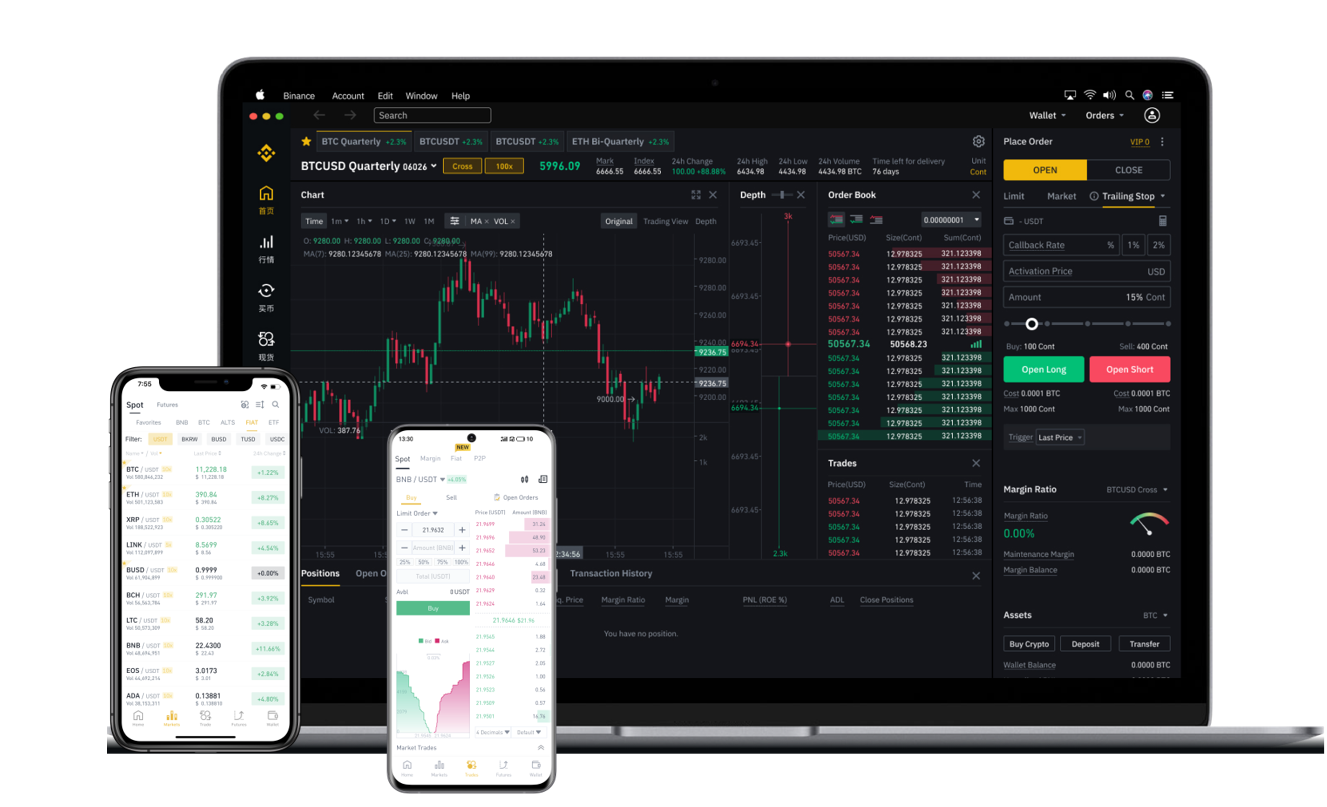
Binance is widely praised for its competitive fee structure. The standard spot trading fee is 0.1% (maker and taker), which can be reduced further to 0.075% or lower when using the BNB token or holding high trading volumes. This is significantly lower than many traditional exchanges. Moreover, Binance offers the deepest liquidity in the market, meaning you can execute large trades without significant price slippage. The platform supports over 600 cryptocurrencies and offers a vast array of products: spot trading, futures (with up to 125x leverage), margin trading, staking, earn products, NFT marketplace, and even a launchpad for new tokens. This variety makes it a one-stop shop for everything from long-term staking to high-frequency derivatives trading.
3. User Experience, Mobile App, and Support
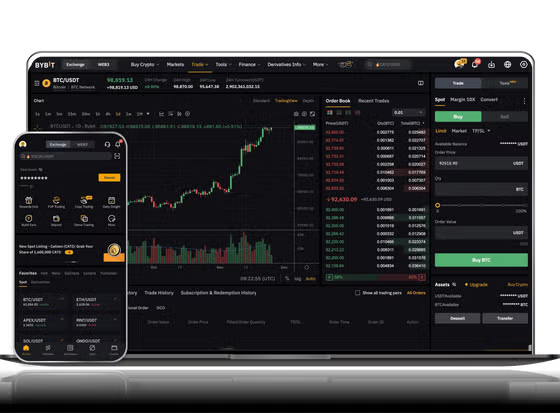
The Binance interface can be a double-edged sword. For absolute beginners, the default "Lite" mode simplifies trading, but the "Pro" interface (which most users will eventually try) is dense, featuring advanced charts, order types, and complex tools. The mobile app is excellent, often rated as one of the best in the industry for speed and functionality, available on both iOS and Android. However, customer support remains a common pain point. While Binance has improved its live chat and ticketing system, response times can still be slow during high-traffic periods, especially for complex account issues. The platform also has strict verification processes that can be time-consuming.
Conclusion: Does Binance Still Deserve Your Trust?
In short, Binance is a powerful, high-liquidity exchange suitable for intermediate to advanced traders who need a wide range of assets and low fees. For complete beginners, the complexity may be overwhelming. Considering the keyword "b币安交易所怎么样," the general consensus is that Binance is not "bad"—it is highly competitive and reliable for non-U.S. users who comply with KYC. The key takeaway is to be aware of your local regulations, start with a small amount if you are new, and always use the platform's security features like 2FA and whitelisting. For traders looking for efficiency, depth, and volume, Binance remains a top contender in the crypto landscape.