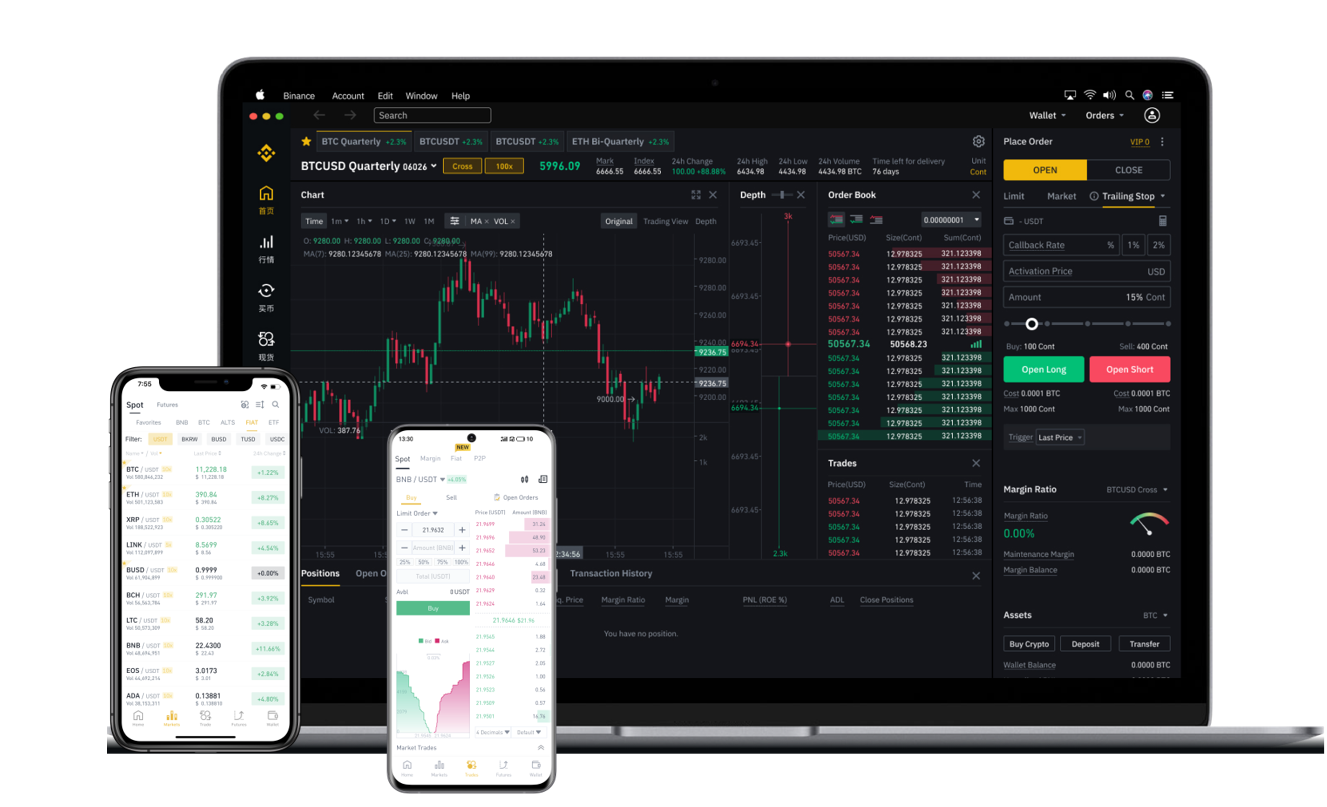
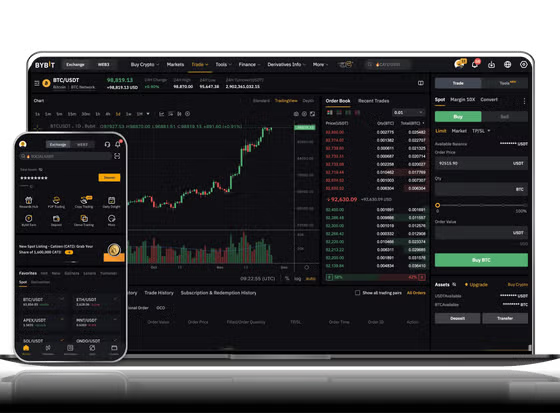

When traders ask “how good are Binance exchange algorithms,” they are typically referring to the platform’s core trading engine, order matching logic, risk control systems, and overall algorithmic efficiency. Binance, as the world’s largest cryptocurrency exchange by trading volume, relies heavily on a high-performance algorithmic infrastructure to handle millions of orders per second across hundreds of trading pairs. Understanding the quality of these algorithms is essential for both retail and institutional users who depend on speed, accuracy, and fairness.
First, the order matching engine of Binance is designed for low-latency execution. The platform uses a modern microservices architecture that separates matching, order management, and asset settlement. This architecture allows the exchange to process up to 1.4 million orders per second according to its technical documentation. While real-world performance may vary depending on network conditions and market volatility, independent performance tests and user feedback consistently indicate that Binance offers one of the fastest matching engines among major exchanges. For traders using high-frequency strategies or arbitrage, this algorithmic speed is a critical factor that directly impacts profitability.
Second, Binance employs sophisticated algorithms for market surveillance and risk management. The exchange uses real-time monitoring systems that scan for manipulation patterns such as wash trading, spoofing, and layering. While no system is perfect, Binance’s algorithms have been recognized for flagging suspicious activity and maintaining a relatively clean order book compared to some competitors. Additionally, the exchange implements a dynamic fee algorithm that adjusts trading fees based on a user’s 30-day trading volume and BNB holdings. This not only incentivizes liquidity provision but also rewards high-frequency traders with lower costs, further enhancing the algorithmic ecosystem.
Third, security algorithms on Binance are multi-layered. The exchange uses a combination of hot and cold wallet management, risk scoring for withdrawals, and machine learning models to detect unauthorized access. For example, the AI-driven withdrawal whitelist algorithm analyzes behavioral patterns such as login location, device fingerprint, and transaction frequency. If the algorithm detects abnormal behavior, it triggers additional verification steps or temporarily blocks the withdrawal. This algorithmic security layer has significantly reduced account takeover incidents compared to earlier industry standards.
However, the quality of Binance’s algorithms is not without criticism. Some users have reported issues with slippage during highly volatile events, particularly when the order book depth is thin for less liquid trading pairs. In rare cases, the matching algorithm may execute large market orders at less favorable prices due to the speed of price changes. Furthermore, regulatory changes in various jurisdictions have forced Binance to adapt its algorithmic compliance filters, which sometimes results in temporary service interruptions for certain regions.
From a liquidity perspective, Binance’s algorithm-driven market making programs, such as the VIP Invitation Program and liquidity provider incentives, ensure that most major trading pairs have tight spreads. The platform uses a dynamic spread calculation algorithm that adjusts based on real-time volume, volatility, and competitor pricing. This mechanism helps maintain competitive pricing for end users while preventing excessive arbitrage exploitation.
In conclusion, the algorithms behind Binance are highly advanced in terms of speed, risk management, and security. They are designed to handle massive scale while maintaining fairness and stability. For most retail and professional traders, the algorithmic infrastructure is more than adequate for both manual and automated strategies. However, users trading less liquid pairs or engaging in ultra-high-frequency strategies should test their execution carefully, as no exchange can guarantee zero slippage in extreme conditions. Overall, Binance’s algorithms rank among the best in the industry, though continuous improvements are still expected as the market evolves.