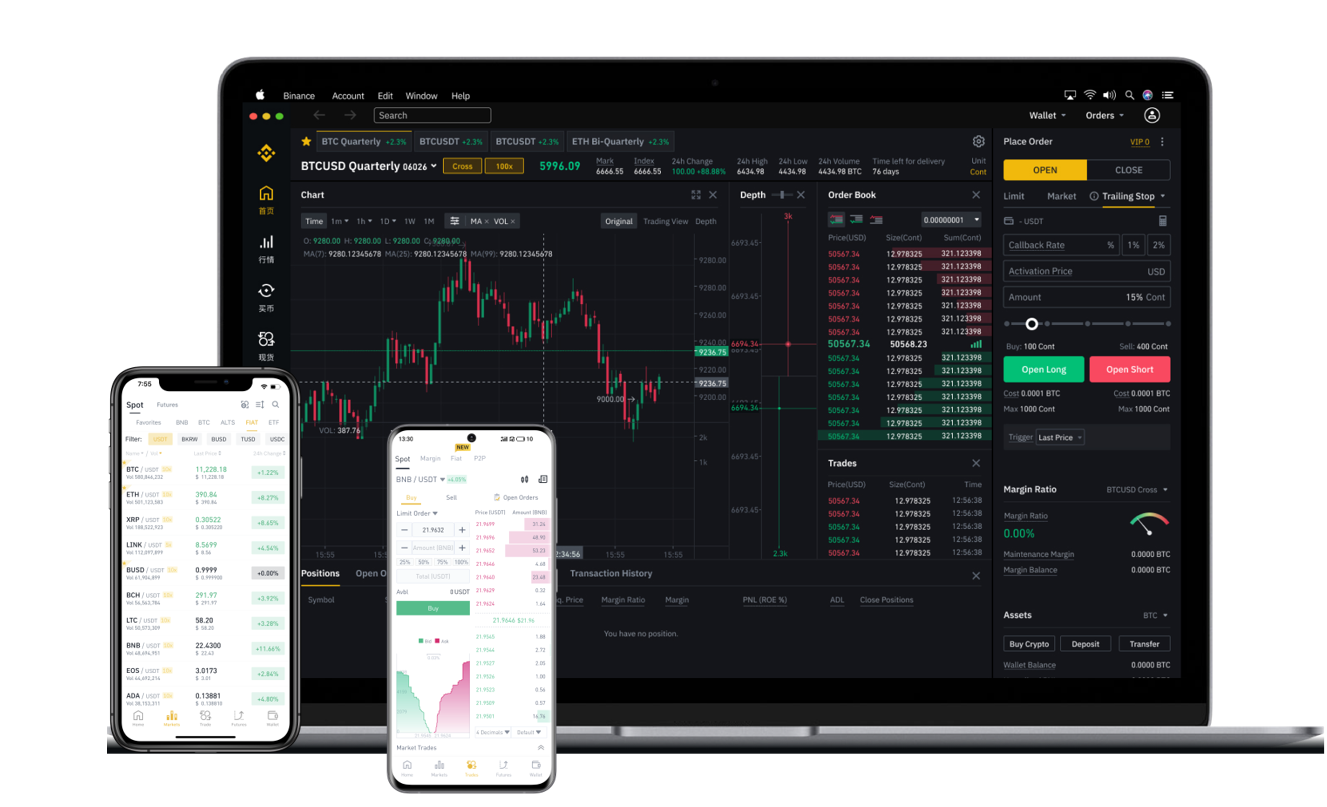


The potential shutdown of Binance, the world’s largest cryptocurrency exchange by trading volume, is a topic that has sparked intense debate among traders, investors, and regulators. While Binance has faced regulatory challenges in multiple jurisdictions, a complete shuttering of the exchange would have far-reaching consequences for the digital asset market. This article explores the key scenarios and implications if Binance were to cease operations.
First, the immediate impact on market liquidity cannot be overstated. Binance processes billions of dollars in daily trading volume. If the exchange were to shut down, a massive liquidity vacuum would emerge. Traders would scramble to move assets off the platform, triggering a sharp sell-off for major cryptocurrencies like Bitcoin (BTC) and Ethereum (ETH). Prices could drop dramatically within hours, potentially creating a "flash crash" scenario similar to the 2021 China ban, but on a larger scale due to Binance’s global user base.
Second, the collapse of Binance would severely shake investor confidence. As the industry’s leading exchange, Binance is often seen as the "too big to fail" entity in crypto. Its sudden closure would reinforce fears about centralized exchange risks, accelerating the ongoing shift toward decentralized finance (DeFi) platforms and self-custody wallets. Users who lack private keys—those holding funds on Binance—might face significant losses if withdrawals are frozen or halted, echoing the 2022 FTX collapse but affecting a much larger user base of over 150 million registered accounts.
Third, regulatory bodies worldwide would face a complex aftermath. Binance has navigated a patchwork of licenses and compliance measures across different countries. A shutdown could prompt authorities to impose stricter Know Your Customer (KYC) and Anti-Money Laundering (AML) requirements on remaining exchanges. Conversely, some critics argue that removing Binance’s dominance might actually reduce systemic risk, allowing smaller exchanges to operate under clearer regulatory frameworks.
Fourth, the altcoin market would be particularly exposed. Binance lists thousands of tokens, many of which rely on its liquidity for price discovery. Projects with limited trading volume on other exchanges—such as low-cap DeFi tokens or emerging Layer-2 solutions—could face near-total collapse if their primary trading venue disappears. Stablecoins like USDT and USDC would experience intense redemption pressure as users seek to exit to fiat currencies.
Finally, a scenario of gradual wind-down rather than sudden shutdown is more plausible. Binance might choose to cease operations in jurisdictions under intense regulatory pressure (e.g., the U.S. or EU) while maintaining services in other regions. However, even a partial shutdown would trigger volatility, as market participants anticipate broader restrictions. The broader crypto infrastructure—including Web3 projects, NFT marketplaces, and GameFi platforms that depend on Binance’s ecosystem—would need to rapidly migrate to alternative chains like Ethereum, Solana, or Polygon.
In summary, a Binance shutdown would not be the end of cryptocurrency, but it would mark a painful transition period. Traders would face moments of panic, while the industry would be forced to mature toward greater decentralization and regulatory clarity. Whether the event occurs due to a regulatory crackdown or internal failure, the lesson remains the same: self-custody and risk diversification are critical for anyone operating in the digital asset space.