
USDC, or USD Coin, is a stablecoin pegged to the U.S. dollar, widely used for trading, transfers, and payments across cryptocurrency exchanges. When you send USDC to an exchange, the arrival time and subsequent usage depend on the blockchain network, exchange processing speed, and the destination platform.
1. Transfer Time: How Long Does USDC Take to Arrive?
The time for a USDC transfer to reach an exchange varies by network. On the Ethereum (ERC-20) network, transfers typically take 5 to 20 minutes, depending on network congestion and gas fees. The Solana (SPL) network is faster, often completing transfers in under 1 minute. The Algorand (ALGO) network also processes USDC in seconds, while the Stellar (XLM) network can finalize transfers in 2–5 seconds. However, exchanges may require additional confirmations (e.g., 12–30 blocks on Ethereum) before crediting your balance. Network-specific bottlenecks or high traffic can extend arrival times to hours. Always check the network you choose—using a faster network like Solana reduces wait time.
2. Exchange Processing: When Will Your USDC Be Available?
Once the blockchain confirms the transaction, the exchange must process and credit the USDC to your account. This step can take a few minutes to over an hour. Centralized exchanges (CEXs) like Binance, Coinbase, or Kraken often require a minimum number of confirmations. For ERC-20 USDC, exchanges typically need 12–24 block confirmations, which can take 5–15 minutes. Some exchanges process deposits instantly after a few confirmations. Delays can occur during high-volume periods or maintenance. After credit, you can view your USDC in your "Spot Wallet" or "Funding Wallet" (depending on the exchange).
3. How to Use USDC on an Exchange: Practical Steps
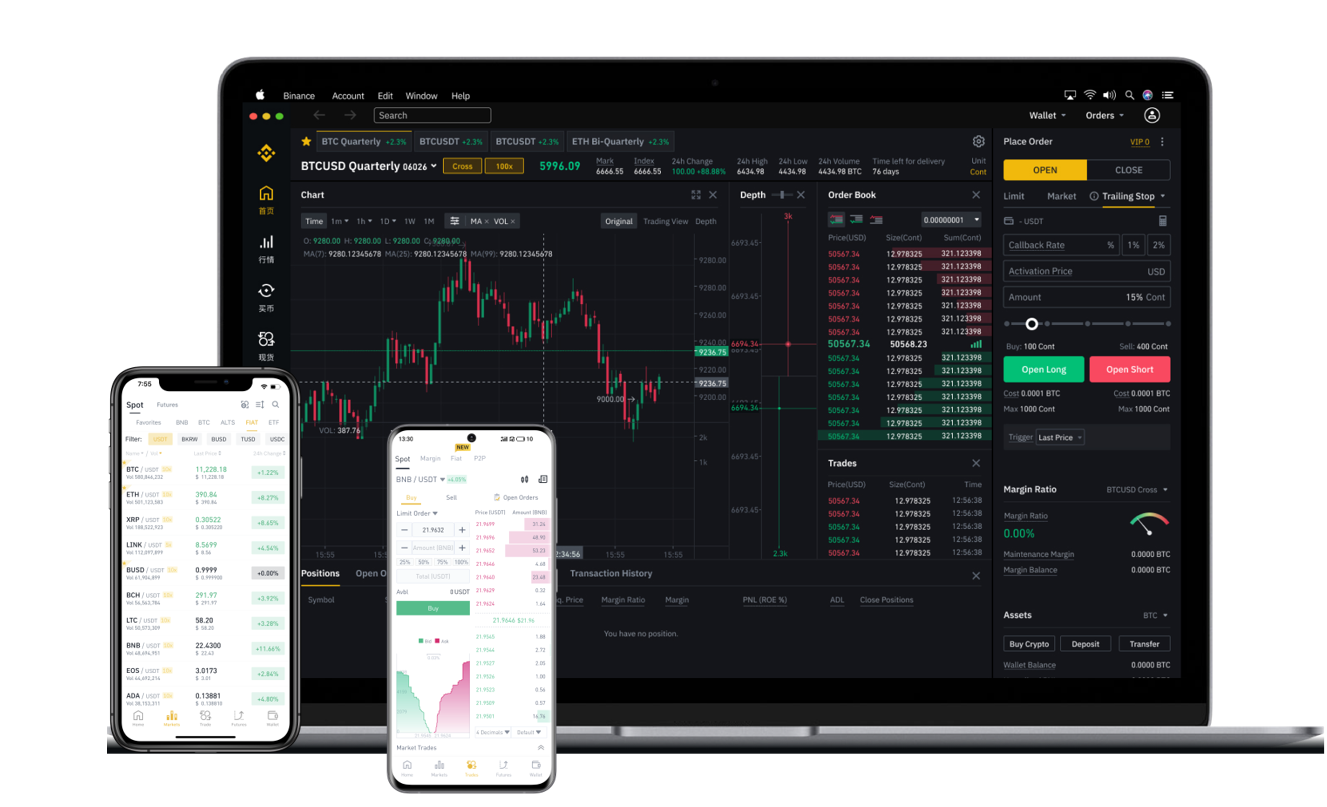
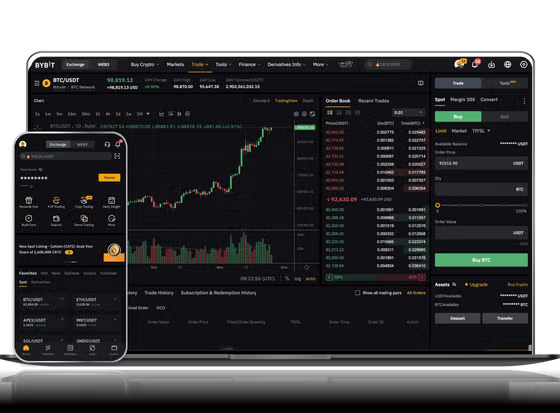
Once your USDC arrives, you can use it in several ways. First, trade USDC for other cryptocurrencies like BTC, ETH, or altcoins. Most exchanges offer USDC pairs (e.g., USDC/BTC, USDC/ETH). Navigate to the trading page, select a pair, and place a market or limit order. Second, use USDC as collateral for margin trading or futures—many platforms accept USDC for leveraged positions. Third, deposit USDC into lending or yield-generating products, such as Binance Earn or Coinbase Staking, to earn interest (APY). Fourth, withdraw USDC to a personal wallet or another exchange. Finally, use USDC for peer-to-peer (P2P) transfers or payments on supported platforms.
4. Key Considerations for Fast and Secure Usage
To avoid delays or loss, always choose the correct network when sending USDC. Many platforms, like Coinbase and Binance, support multiple networks (ERC-20, Solana, Algorand). Verify the receiving address matches the network you select—sending ERC-20 USDC to a Solana address can cause permanent loss. Monitor transaction status using the blockchain explorer (e.g., Etherscan for ERC-20) and the exchange's deposit history page. For large transfers, test with a small amount first. If funds do not arrive within expected time, contact the exchange support team. Also, consider network fees: ERC-20 transfers cost $1–$10, while Solana and Algorand fees are under $0.01.
5. Real-World Scenario Example
Suppose you send 500 USDC from a wallet to a Binance spot wallet via the Solana network. The blockchain confirms in seconds, and Binance credits your account after 2–3 confirmations (30 seconds total). You then exchange USDC for SOL at the market rate. With funds already deposited, you can start trading immediately or stake USDC in Binance Earn for 5% APY. This seamless process highlights the importance of choosing a fast network like Solana for near-instant arrival and immediate usability.
6. Summary
USDC arrives on an exchange within seconds (Solana) to 20 minutes (Ethereum), with additional exchange processing time. Use it for trading, borrowing, lending, or withdrawals. Always double-check the network and address to ensure safe transfer. Following these steps maximizes efficiency and minimizes frustration. If delays occur, patience and support contact are recommended. Understanding these details helps you manage your stablecoin assets effectively.