
USDC (USD Coin) is a regulated, fully-reserved stablecoin pegged 1:1 to the U.S. dollar. It has become one of the most trusted digital dollars for trading, payments, and decentralized finance (DeFi). To maximize its utility, you need to know which exchanges list USDC and how to use it effectively across different platforms.
Major Centralized Exchanges for USDC
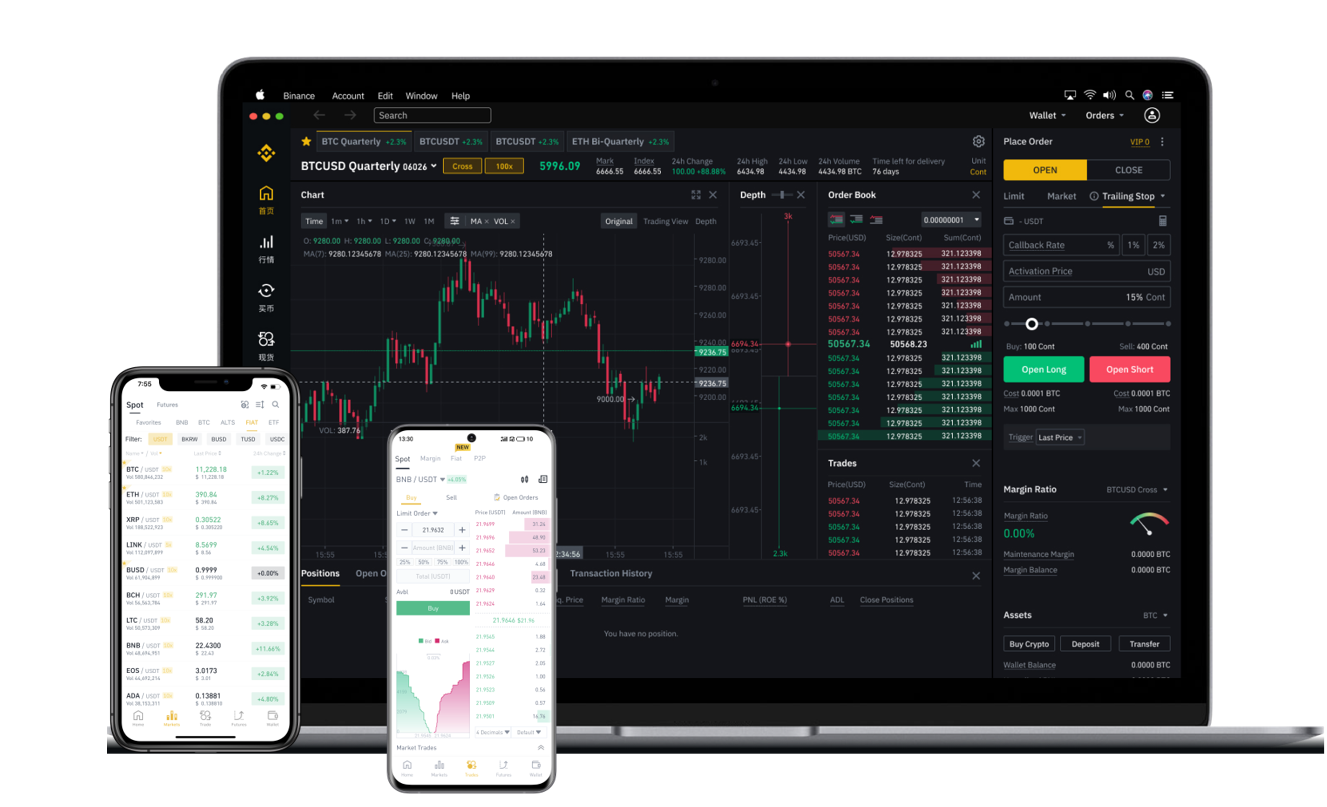
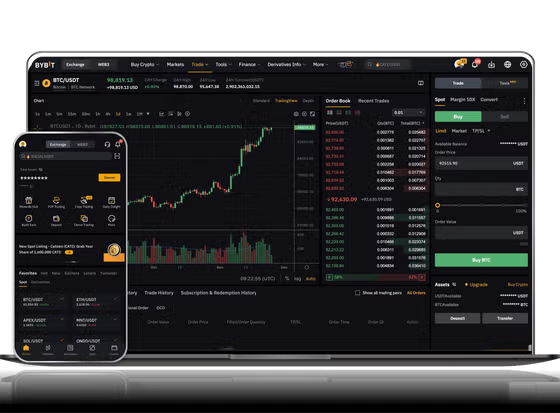
Most top-tier centralized exchanges offer USDC trading pairs with both fiat currencies and cryptocurrencies. Coinbase is a primary issuer of USDC, making it easy to buy, sell, and withdraw the stablecoin with no trading fees on certain pairs. Binance supports USDC on multiple networks including Ethereum, BNB Chain, Polygon, and Solana, allowing for low-cost transfers. Kraken provides USDC trading against USD, EUR, and major crypto assets, with high liquidity. Bybit and OKX also list USDC as a base currency for derivatives and spot trading, often with zero maker fees. For European users, Bitstamp and Crypto.com offer direct USDC purchases with bank transfers.
Decentralized Exchanges (DEXs) for USDC
On decentralized platforms, USDC is essential for liquidity provision. Uniswap (Ethereum) and PancakeSwap (BNB Chain) enable instant swaps between USDC and thousands of tokens without intermediary custody. Curve Finance specializes in stablecoin swapping, offering low slippage and high APY through liquidity pools. On Solana, Jupiter and Raydium allow near-instant USDC transfers with transaction costs under a cent. These DEXs let you use USDC as a stable bridge asset when moving between volatile tokens.
How to Use USDC Across Exchanges
Beyond trading, USDC serves multiple purposes. On centralized exchanges, you can use USDC as collateral for margin trading or futures positions—for example, on Bybit you can long or short Bitcoin with USDC as margin. In DeFi, you can deposit USDC into lending protocols like Aave or Compound to earn variable interest (often 3-8% APY). Many exchanges also offer USDC savings accounts with fixed yields, such as YouHodler or Nexo. For cross-border payments, you can send USDC directly to another user’s wallet on the same blockchain (e.g., Ethereum or Polygon) in minutes, avoiding traditional bank delays.
Key Considerations for USDC Usage
When using USDC, always verify the supported blockchain of your exchange. A USDC transfer on Ethereum’s ERC-20 network incurs higher gas fees, while Solana or Polygon versions are cheaper and faster. Some exchanges like Binance support multiple networks, so choose the most cost-effective option. Additionally, USDC is fully regulated, meaning withdrawals may require KYC verification on centralized platforms. For privacy-focused use, DEXs allow you to swap USDC without registering an account, though you’ll need a non-custodial wallet like MetaMask or Phantom.
Summary: The Versatility of USDC in Modern Crypto
Whether you are a trader seeking a stable trading pair on Binance, a DeFi user earning yield on Uniswap, or a business accepting cross-border payments via Coinbase Commerce, USDC provides a reliable, fast, and widely accepted digital dollar. By understanding the exchanges that support it and the ways to deploy it—from spot trading to collateralized lending—you can unlock USDC’s full potential across both centralized and decentralized finance ecosystems.